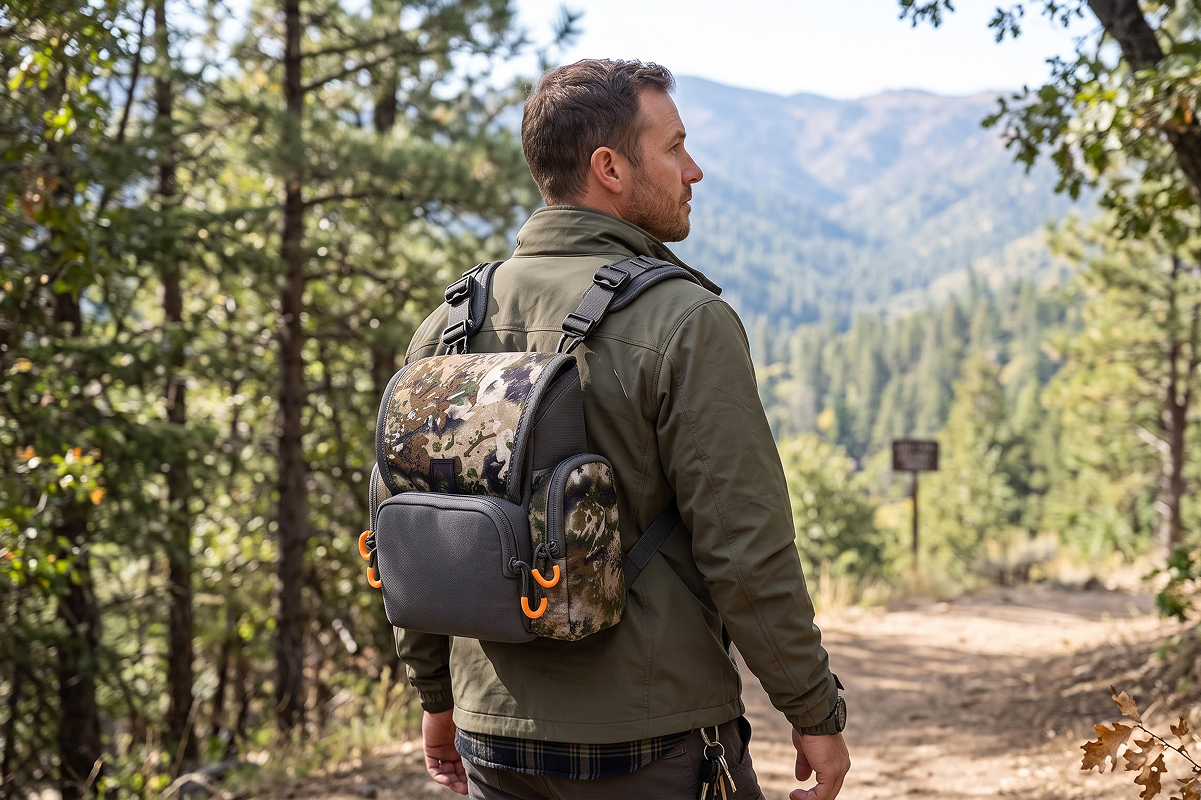
Best 5 Binocular Harnesses of 2026: Ultimate Ergonomic Chest Support and Optics Protection

Trekking across rugged backcountry trails with heavy glass bouncing against your sternum is an absolute nightmare. I suffered through a painful neck strain on an intense scouting trip simply because my traditional neck strap swung erratically with every step. 🌲

Navigating dense timber becomes an anxious ordeal when delicate lenses collide with rocks or soak up sudden torrential rain. Finding reliable stabilization gear is surprisingly difficult when so many carriers fail under pressure. 🔍

This comprehensive guide to the best 5 binocular harnesses eliminates gear slosh, preserves physical stamina, and guarantees total optical protection in any harsh wilderness environment. ✨

Discover our rigorously tested selections below to identify the ultimate ergonomic chest rig tailored specifically for your outdoor adventures.

Ella Drake - Content Specialist

Ella Drake is an outdoor gear specialist with over eight years of ergonomic field testing. Having rigorously evaluated more than 120 harness systems, she delivers unbiased, performance-driven equipment insights for active adventurers.

Our Evaluation Standards

Ergonomic Weight Distribution

Evaluates how effectively shoulder harnesses balance optical weight to prevent spinal strain and upper body muscle fatigue during long treks.

Optical Protection and Weatherproofing

Assesses fabric durability, water repellency, and protective padding that shield expensive glass from harsh moisture, dust, and unexpected impacts.

Accessibility and Silent Operation

Measures the speed and noise level of closure systems during one-handed equipment deployment in critical observation moments.

Modularity and Storage Versatility

Examines auxiliary attachment points, MOLLE compatibility, and specialized compartments for organizing rangefinders, wind checkers, and essential trail tools.
from Strapixov

#1 TOP PICK

Overall Score

A+

Rating

9.8/10

GENERAL VIEW

Chest Stability
96%
Weather Resistance
97%
Silent Access
95%
Value for Money
99%
Customer Feedback & Satisfaction​
98%

Pros

  • Heavy-duty 1000D weatherproof polyester build
  • Zero-bounce ergonomic chest strap distribution
  • Silent one-handed swift deployment mechanism
  • Dedicated dual optics and rangefinder storage
  • Integrated deployable all-weather rain shield
  • Stealth green camouflage field concealment
  • Breathable back panel reduces thermal buildup
  • Fully adjustable straps fit various layers
  • Padded internal compartments shield delicate glass
  • Quick-detach security tethers prevent drops

Cons

  • Frequently out of stock during peak seasons

WRAP-UP

The Strapixov Binocular Harness earns our top ranking due to its exceptional 1000D durability, silent one-handed deployment, and rock-solid stability. Given high seasonal demand and limited production batches, securing this chest rig early ensures your valuable optics remain fully protected on upcoming wilderness treks.
from Marsupial

#2 TOP PICK

Overall Score

B+

Rating

8.9/10

General view

Chest Stability
95%
Weather Resistance
86%
Silent Access
89%
Value for Money
87%
Customer Feedback & Satisfaction​
91%

Pros

  • Fully enclosed dust-proof protective sidewalls
  • Silent magnetic forward-folding lid system
  • Soft fleece-lined interior prevents scratches
  • MOLLE webbing supports modular attachments
  • Adjustable harness fits wide chest sizes
  • Durable weather-resistant exterior shell fabric
  • Elastic side pockets hold small accessories

Cons

  • Magnets can affect traditional navigational compasses
  • Base pack lacks included rangefinder pouch
from Eberlestock

#3 TOP PICK

Overall Score

B

Rating

8.3/10

General view

Chest Stability
82%
Weather Resistance
78%
Silent Access
83%
Value for Money
78%
Customer Feedback & Satisfaction​
81%

Pros

  • Highly adaptable modular chest platform
  • Breathable 3D spacer mesh shoulder assembly
  • Forward magnetic access allows rapid deployment
  • Dual security tethers prevent accidental drops
  • Spacious zippered front accessory pocket
  • Low-profile wings clear archery bowstrings

Cons

  • Slightly heavier than minimalist chest wraps
  • Magnetic pull requires precise directional pressure
  • Side pockets fit only slim accessories
from KUIU

#4 TOP PICK

Overall Score

C+

Rating

7.8/10

General view

Chest Stability
78%
Weather Resistance
77%
Silent Access
81%
Value for Money
82%
Customer Feedback & Satisfaction​
78%

Pros

  • Waterproof TORAY three-layer laminate construction
  • Moldable lid forms tight weather seal
  • Internal stackable foam shims customize depth
  • Integrates directly with streamlined hydration systems
  • Ultra-quiet micro-fleece exterior fabric face
  • Lightweight design reduces mountain packing bulk

Cons

  • Narrow internal volume limits oversized binoculars
  • Hydration bladder system must be purchased separately
  • Tension cords require periodic field tightening
  • Side stretch mesh can snag thorns
from Eberlestock

#5 TOP PICK

Overall Score

C

Rating

7.4/10

General view

Chest Stability
75%
Weather Resistance
78%
Silent Access
74%
Value for Money
76%
Customer Feedback & Satisfaction​
73%

Pros

  • Crush-resistant rigid protective chassis construction
  • Quiet magnetic lid for rapid glassing
  • Flat shoulder webbing layers under backpacks
  • Generous front storage holds large electronics
  • Reinforced rear panel accepts knife mounts

Cons

  • Bulkier footprint than ultralight chest carriers
  • Magnetic field can deflect handheld compasses
  • Higher overall weight than unpadded alternatives
  • Side elastic sleeves relax over time
  • Stiff material requires initial break-in period

What are Binocular Harness?

A binocular harness is an ergonomic chest-mounted carrying system engineered to secure optical equipment firmly against the user's torso during dynamic outdoor activities.

Unlike traditional neck straps that cause severe cervical strain and allow optics to swing wildly, harnesses use four-point strap geometry to distribute weight across the shoulders and upper back.

Modern designs incorporate padded weatherproof enclosures that shield sensitive objective lenses and prisms from abrasive rocks, dust, precipitation, and accidental impact.

These dedicated rigs often integrate modular accessory pockets for rangefinders, wind checkers, and tools, keeping essential observation gear accessible in seconds.

Benefits of Using Binocular Harness

  • Eliminates neck fatigue by evenly distributing optic weight across your broad shoulder and back muscles.
  • Prevents gear bounce and swinging during aggressive mountain climbing, running, or low crawling maneuvers.
  • Protects optical glass from abrasive dust, harsh rain, drifting snow, and unexpected physical impacts.
  • Enables silent access allowing hunters to deploy binoculars rapidly without alerting nearby wary wildlife.
  • Improves hands-free mobility keeping your arms completely unencumbered for trekking poles or outdoor equipment.
  • Organizes field accessories providing dedicated secure compartments for rangefinders, maps, and essential tools.
  • Customizes load distribution with modular MOLLE attachments that adapt directly to specific expedition demands.

What to Look for When Choosing Binocular Harness

  • Pack dimensions and optic fit: Verify interior compartment measurements accommodate your binocular height and objective diameter.
  • Closure mechanism sound level: Prioritize quiet magnetic closures or elastic loops over noisy standard velcro systems.
  • Fabric weather resistance: Look for high-denier water-resistant polyester or sealed multi-layer laminated textiles.
  • Harness strap profile: Ensure shoulder webbing is thin and breathable enough to sit comfortably beneath heavy packs.
  • Modularity and accessory docking: Check for MOLLE webbing or side attachment loops to mount secondary essential gear.
  • Drop prevention tethers: Inspect whether internal safety cords are included to catch optics during accidental slips.

What to Avoid When Choosing Binocular Harness

  • Choosing noisy closure systems that generate loud ripping or clicking sounds, instantly alerting nearby game animals.
  • Ignoring compass interference caused by strong closure magnets positioned too close to sensitive navigational instruments.
  • Selecting unpadded harness straps that cut painfully into your shoulders under the weight of full-sized binoculars.
  • Buying non-enclosed open pouches that expose costly front lenses to driving rain, trail mud, and grit.

Ella Drake - Content Specialist​

Ella Drake is an outdoor gear specialist with over eight years of ergonomic field testing. Having rigorously evaluated more than 120 harness systems, she delivers unbiased, performance-driven equipment insights for active adventurers.