
Best 5 Garden Composters of 2026: Transform Your Organic Waste Into Highly Nutrient-Rich Gold
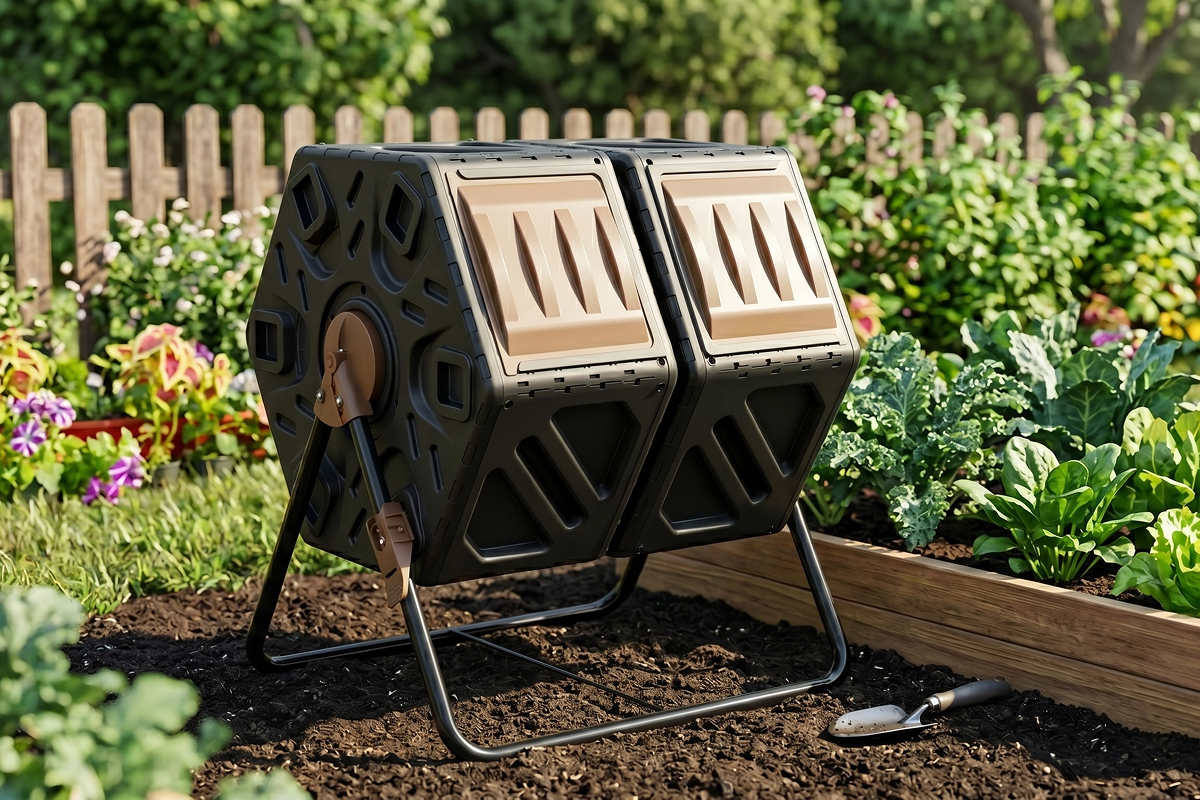
I had a terrifying nightmare when using my old open-air bin because it attracted a literal army of rodents to my backyard. My baby was a wave of anxiety because I was too tired to check the temperature of the rotting pile while battling swarms of flies. It was painful and annoying to watch my hard-earned garden turn into a stinking, difficult mess that felt impossible to manage. 🌿

Selecting the right equipment is a nightmare when you are faced with flimsy plastics that crack under the sun or designs that require back-breaking manual labor. Many users face the anxious reality of anaerobic sludge that smells like a swamp rather than fresh soil. This article serves as your ultimate guide to finding the best 5 garden composters that actually work for your lifestyle. 😱

We address the most terrifying frustrations, such as pest infestations and slow decomposition rates, by highlighting innovative solutions. You can expect a deep dive into durable structures and advanced aeration systems that turn kitchen scraps into gold. Our evaluation standards will help you avoid the worst-case scenario of a failed garden project. ✨

Continue reading to discover which models survived our rigorous testing and which ones will save you from a gardening disaster. Let's explore the best 5 garden composters that provide the efficiency and peace of mind you deserve. 👇

Henry Morgan - Content Specialist

Henry Morgan is a dedicated Product Analyst with over 8 years of technical expertise in outdoor gear. He has rigorously tested over 100 products to provide reliable, data-driven recommendations for homeowners.

Our Evaluation Standards

Material Durability

We assess the strength of frames and UV-resistant plastics to ensure long-term outdoor performance in harsh weather.

Aeration Efficiency

Evaluation of airflow vents and internal mixing bars that accelerate the decomposition process for faster nutrient results.

Pest Resistance

Testing the security of seals and sliding doors to prevent rodents and insects from entering the compost.

Ease of Operation

Measuring the effort required for tumbling and the accessibility of harvesting finished compost from the main chambers.
from EcoCopox

#1 TOP PICK

Overall Score

A+

Rating

9.8/10

GENERAL VIEW

Durability
96%
Aeration
97%
Ease Of Use
95%
Value for Money
99%
Customer Feedback & Satisfaction​
98%

Pros

  • Dual chamber design for continuous composting cycles.
  • 360-degree tumbling action eliminates manual hand mixing.
  • Heavy-duty powder-coated steel legs for maximum stability.
  • 24 ventilation holes ensure optimal oxygen flow throughout.
  • Lock braking system prevents accidental turning in wind.
  • Internal divider bar prevents fertilizer clumping effectively.
  • UV-resistant polypropylene plastic for long-term outdoor durability.
  • Generous 34.5-gallon capacity fits most household needs.
  • Large inlet and outlet sizes for easy loading.
  • Effective odor control with a secure, tight seal.

Cons

  • Frequently out of stock due to extremely high demand.

WRAP-UP

The EcoCopox Garden Composters is our top pick because it perfectly balances innovative technology with rugged durability. It solves the most common frustrations of home composting, making it a limited-time offer you should not miss if you want a professional-grade garden setup this year.
from Maze

#2 TOP PICK

Overall Score

B+

Rating

8.9/10

General view

Durability
95%
Aeration
86%
Ease Of Use
89%
Value for Money
87%
Customer Feedback & Satisfaction​
91%

Pros

  • Geared handle makes turning the drum effortless.
  • Elevated height allows for easy bucket access.
  • Large 48-gallon capacity for high-volume users.
  • UV-resistant materials prevent sun damage over time.
  • Two separate compartments for continuous batch processing.
  • Includes a turning lock ratchet for stability.
  • Mess-free filling with a wide drum opening.

Cons

  • Requires significant space for the cart.
  • Assembly process can be somewhat time-consuming.
from Koolatron

#3 TOP PICK

Overall Score

B

Rating

8.3/10

General view

Durability
82%
Aeration
78%
Ease Of Use
83%
Value for Money
78%
Customer Feedback & Satisfaction​
81%

Pros

  • Rodent-proof sliding doors keep pests out.
  • Deep internal fins for superior aeration.
  • Heat-absorbing black panels speed up decomposition.
  • Sturdy 18-gauge steel frame for longevity.
  • Twin chambers allow for batch cooking.
  • Corrosion-resistant recycled plastic construction.

Cons

  • Sliding doors can sometimes stick slightly.
  • Tumbling requires a bit of physical force.
  • Instructions for assembly are somewhat sparse.
from Keter

#4 TOP PICK

Overall Score

C+

Rating

7.8/10

General view

Durability
78%
Aeration
77%
Ease Of Use
81%
Value for Money
82%
Customer Feedback & Satisfaction​
78%

Pros

  • Massive 470-liter capacity for large gardens.
  • Elegant furniture-like design blends into landscapes.
  • Includes a base for improved stability.
  • UV-resistant polypropylene requires very little maintenance.
  • Discreet brown color fits various environments.
  • Simple assembly with no complex moving parts.

Cons

  • Stationary design requires manual pile turning.
  • Larger footprint takes up more yard space.
  • Not as fast as tumbling models.
  • Plastic base may attract burrowing insects.
from Trellume

#5 TOP PICK

Overall Score

C

Rating

7.4/10

General view

Durability
75%
Aeration
78%
Ease Of Use
74%
Value for Money
76%
Customer Feedback & Satisfaction​
73%

Pros

  • Enormous 170-gallon capacity for large loads.
  • Durable metal frame with anti-rust coating.
  • Four-sided vents provide excellent natural aeration.
  • Bottom door allows for easy harvesting.
  • Quick and intuitive plug-in assembly process.

Cons

  • Very heavy once filled with waste.
  • Metal can become hot in direct sun.
  • Requires gloves during assembly for safety.
  • Takes up a significant amount of space.
  • No internal mixing bar for agitation.

What are Garden Composters?

Garden composters are specialized containers designed to facilitate the biological breakdown of organic materials into nutrient-rich soil amendments. These units provide a controlled environment where heat, moisture, and oxygen work together to accelerate natural decomposition.

By using a composter, you can recycle kitchen scraps and yard waste that would otherwise end up in a landfill. This process creates humus, a dark, earthy substance that significantly improves soil structure and fertility.

There are two primary types: tumblers and stationary bins. Tumblers rotate to mix the materials easily, while stationary bins rely on natural airflow or manual turning with a pitchfork to keep the process aerobic.

Ultimately, these tools are essential for sustainable gardening. They allow you to reduce your environmental impact while producing a free source of fertilizer that helps your plants grow stronger and healthier.

Benefits of Using Garden Composters

  • Reduces Landfill Waste by diverting organic scraps from the trash.
  • Creates Free Fertilizer that is rich in essential plant nutrients.
  • Improves Soil Structure by adding organic matter to sandy or clay soils.
  • Suppresses Plant Diseases and pests through beneficial microbial activity.
  • Conserves Water by increasing the soil's ability to retain moisture.
  • Saves Money by eliminating the need for expensive chemical fertilizers.
  • Supports Biodiversity by providing a habitat for beneficial soil organisms.
  • Neutralizes Soil pH to help plants absorb nutrients more efficiently.

What to Look for When Choosing Garden Composters

  • Available Space in your yard for the unit's footprint.
  • Volume of Waste your household produces on a weekly basis.
  • Physical Ability to turn a heavy tumbler or pitchfork pile.
  • Local Climate and how it affects decomposition speed and materials.
  • Pest Activity in your area and the need for security.
  • Time Commitment you can dedicate to managing the compost pile.
  • Material Quality to ensure the unit lasts through multiple seasons.

What to Avoid When Choosing Garden Composters

  • Buying Flimsy Plastic that cracks or warps in the sun.
  • Ignoring Aeration Needs which leads to smelly, anaerobic decomposition.
  • Choosing Small Capacities that fill up too quickly for your needs.
  • Neglecting Pest Security in areas with high rodent populations.
  • Complex Assembly that requires specialized tools or excessive time.

Henry Morgan - Content Specialist​

Henry Morgan is a dedicated Product Analyst with over 8 years of technical expertise in outdoor gear. He has rigorously tested over 100 products to provide reliable, data-driven recommendations for homeowners.