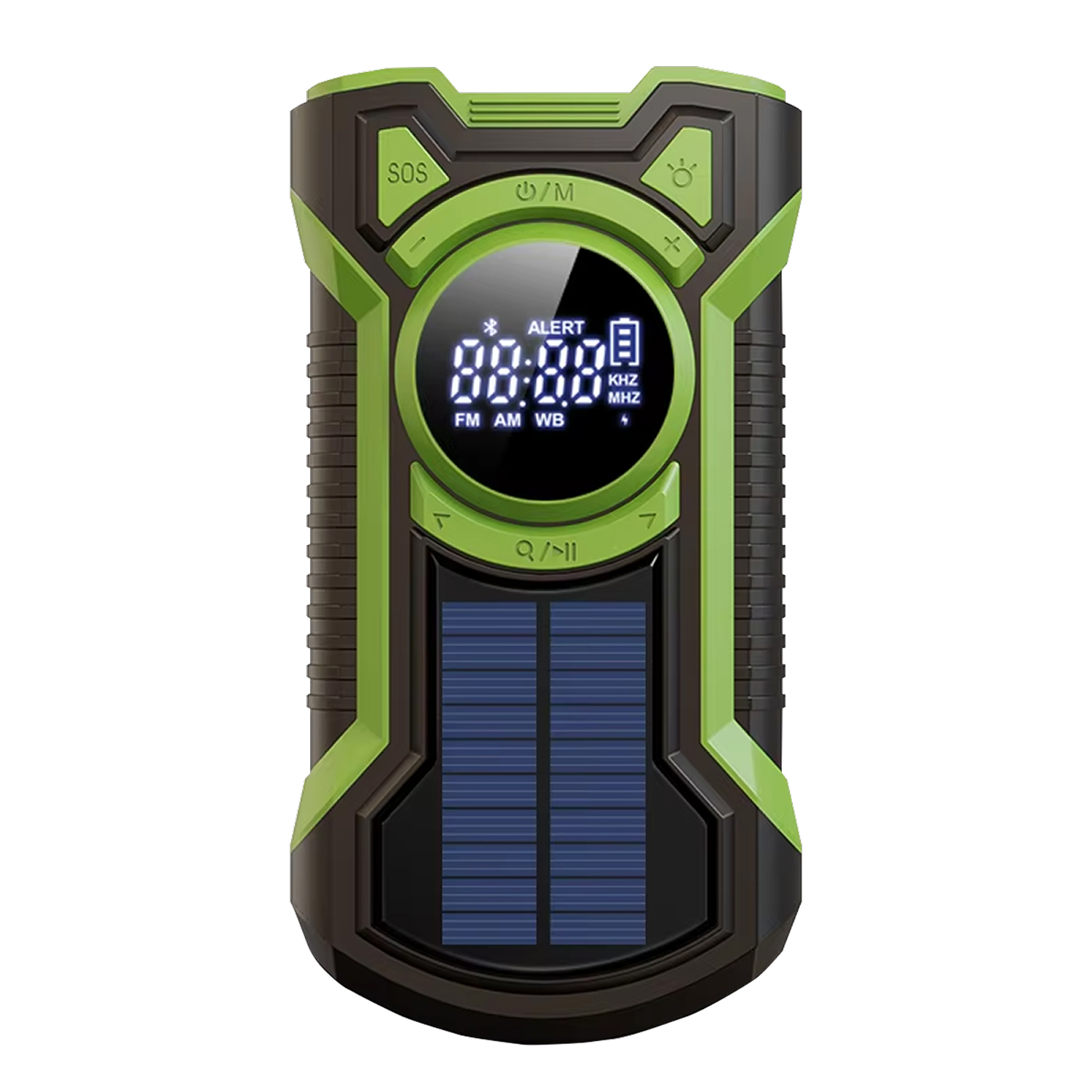
Best 5 Emergency Radios of 2026: Ultimate Survival Preparedness Devices

When sudden catastrophic storms strike, facing a total blackout in freezing darkness is truly a terrifying nightmare for any family. I remember a terrifying power outage when my old receiver failed completely, leaving us stranded without critical broadcast updates. 😰

Finding reliable emergency communication amidst countless unreliable options can be a deeply painful ordeal for unprepared homeowners. Cheap gear often fails right when severe crises demand absolute dependability and continuous performance. 📻

Our thorough field evaluations highlight the best 5 emergency radios to protect your home and keep essential survival devices powered. These top-tier selections deliver dependable backup lighting and urgent alerts when you need them most. ✨

Explore our carefully curated rankings to choose the ultimate lifesaver device for your disaster preparedness gear.

Daniel Flynn - Content Specialist

Daniel Flynn is a Senior Electronics & Survival Gadget Analyst with over 12 years of hands-on field experience. Having rigorously evaluated and tested more than 100 emergency communication devices in real-world simulations, Daniel delivers unmatched insights into outdoor preparedness tools.

Our Evaluation Standards

Battery Capacity & Power Redundancy

We evaluate total milliamp-hour capacity alongside solar, hand crank, and USB input charging efficiency under simulated blackout conditions.

Emergency Illumination & Signaling

We assess flashlight brightness, broad reading beam coverage, and dedicated SOS visual beacon functionality during night scenarios.

Broadcast Clarity & Range

We measure AM/FM signal reception, antenna sensitivity, and audio speaker clarity across distant disaster broadcasting frequencies.

Durability & Weather Resistance

We verify structural impact resistance, chassis ergonomics, and ingress protection against intense rain, moisture, and rough handling.
from PotaRadar

#1 TOP PICK

Overall Score

A+

Rating

9.8/10

GENERAL VIEW

Battery Power
96%
Signal Reception
97%
Lighting Output
95%
Value for Money
99%
Customer Feedback & Satisfaction​
98%

Pros

  • Massive 5000mAh rechargeable backup power bank
  • Triple charging via solar crank USB-C
  • Triple lighting modes up to 650 LUX
  • Rugged IPX5 water-resistant ABS construction
  • Dual solar panel trickle charging system
  • Clear AM and FM frequency reception
  • Efficient hand crank manual generator mechanism
  • Simultaneous multiple external mobile device charging
  • Comfortable ergonomic grip for portable carry
  • Rapid four hour USB-C input recharging

Cons

  • Frequently out of stock during peak storm seasons

WRAP-UP

The PotaRadar Emergency Radio secures our top recommendation due to its outstanding 5000mAh battery, triple-charging versatility, and heavy-duty IPX5 construction. Secure yours quickly as seasonal emergency demand creates limited availability during peak storm periods.

from Midland

#2 TOP PICK

Overall Score

B+

Rating

8.9/10

General view

Battery Power
95%
Signal Reception
86%
Lighting Output
89%
Value for Money
87%
Customer Feedback & Satisfaction​
91%

Pros

  • Up to 32 hours continuous radio operation
  • Bright 130 Lumen CREE LED beacon
  • Automatic Morse code SOS flashlight mode
  • Clear backlit digital high contrast screen
  • Triple sustainable charging power source architecture
  • Compact footprint fits bug out kits
  • Standard USB mobile device charging output

Cons

  • Smaller internal battery capacity than rivals
  • Recharging larger smartphones requires multiple cycles
from RunningSnail

#3 TOP PICK

Overall Score

B

Rating

8.3/10

General view

Battery Power
82%
Signal Reception
78%
Lighting Output
83%
Value for Money
78%
Customer Feedback & Satisfaction​
81%

Pros

  • Generous 4000mAh internal emergency power bank
  • Integrated motion sensor flip up lamp
  • Long distance flashlight exceeding ten meters
  • Four versatile charging options for resilience
  • Clear visible real time electricity gauge
  • Comfortable ergonomic hand crank generator handle

Cons

  • Slightly heavier frame than standard compacts
  • Solar surface requires extended direct sun
  • Plastic casing feels less shock resistant
from Kaito

#4 TOP PICK

Overall Score

C+

Rating

7.8/10

General view

Battery Power
78%
Signal Reception
77%
Lighting Output
81%
Value for Money
82%
Customer Feedback & Satisfaction​
78%

Pros

  • Comprehensive dual band shortwave radio coverage
  • Six flexible multi source power options
  • Long 14.5 inch high sensitivity antenna
  • Adjustable angle solar charging panel design
  • Durable impact resistant premium ABS housing
  • Replaceable internal NiMH battery pack design

Cons

  • Uses older NiMH battery pack technology
  • AA batteries are not included inside
  • Bulkier chassis requires extra packing space
  • USB charging output rate is relatively modest
from FosPower

#5 TOP PICK

Overall Score

C

Rating

7.4/10

General view

Battery Power
75%
Signal Reception
78%
Lighting Output
74%
Value for Money
76%
Customer Feedback & Satisfaction​
73%

Pros

  • Rugged reinforced drop protection rubberized corners
  • Reliable dual lighting flashlight and reading
  • Loud audible SOS emergency alarm siren
  • Three distinct power source regeneration methods
  • Backed by limited lifetime manufacturer warranty

Cons

  • Modest 2000mAh maximum battery storage reserve
  • AAA batteries require separate initial purchase
  • Analog dial tuning requires steady manual calibration
  • Solar recharging is slow in indirect light
  • Single USB output limits multiple device charging

What are Emergency Radio?

An emergency radio is a specialized, multi-powered communication device built to operate reliably during severe infrastructure breakdowns and power grid failures.

These survival tools integrate redundant energy generators such as manual hand cranks, solar panels, and internal battery banks to maintain continuous broadcast reception.

Equipped with AM and FM tuners, they capture critical civil updates, weather bulletins, and disaster instructions when conventional cellular networks fail completely.

Most models also combine essential survival tools such as tactical flashlights, SOS distress sirens, and power output ports to charge vital mobile electronics.

Benefits of Using Emergency Radio

  • Independent Power Generation: Hand cranks and integrated solar panels deliver continuous electricity off the municipal grid.
  • Critical Disaster Communication: Captures urgent public broadcasts over AM and FM bands when cellular networks fail.
  • Multi-Mode Tactical Lighting: Integrated LED beams illuminate dark pathways and provide diffused lighting inside shelters.
  • Emergency Device Charging: Internal power banks replenish dead smartphones and GPS units during prolonged outages.
  • Visual Distress Signaling: High-visibility SOS flashing beacons assist emergency personnel in locating stranded individuals quickly.
  • Rugged Weatherproof Construction: Impact-absorbing, water-resistant chassis materials withstand harsh outdoor environments and heavy downpours.
  • Compact Travel Portability: Lightweight, ergonomic frames fit conveniently inside bug-out bags, gloveboxes, or home kits.

What to Look for When Choosing Emergency Radio

  • Total Battery Capacity: Opt for internal reserves between 2000mAh and 5000mAh for sufficient device charging.
  • Power Input Options: Verify multiple charging methods including USB-C, solar collection, crank generation, and dry cells.
  • Chassis Water Resistance: Check for IPX ratings to ensure your device survives rainstorms and damp outdoor conditions.
  • Lighting System Versatility: Look for varied lighting options like focused spot beams, diffused reading lamps, and SOS modes.
  • Tuner Band Coverage: Ensure reliable reception across AM, FM, and shortwave bands for wide information access.
  • Portability and Weight: Select a compact, rugged frame that balances battery capacity with comfortable carrying weight.

What to Avoid When Choosing Emergency Radio

  • Relying Solely on Solar: Solar panels are meant for trickle charging, not primary high-speed replenishment.
  • Neglecting Regular Battery Maintenance: Storing lithium units fully depleted for months degrades overall long-term capacity.
  • Ignoring Weatherproof Ingress Ratings: Unsealed electronics will short circuit quickly when exposed to heavy outdoor rainfall.
  • Overlooking Hand Crank Ergonomics: Flimsy, poorly designed crank handles can snap under intense, high-torque manual winding.

Daniel Flynn - Content Specialist​

Daniel Flynn is a Senior Electronics & Survival Gadget Analyst with over 12 years of hands-on field experience. Having rigorously evaluated and tested more than 100 emergency communication devices in real-world simulations, Daniel delivers unmatched insights into outdoor preparedness tools.